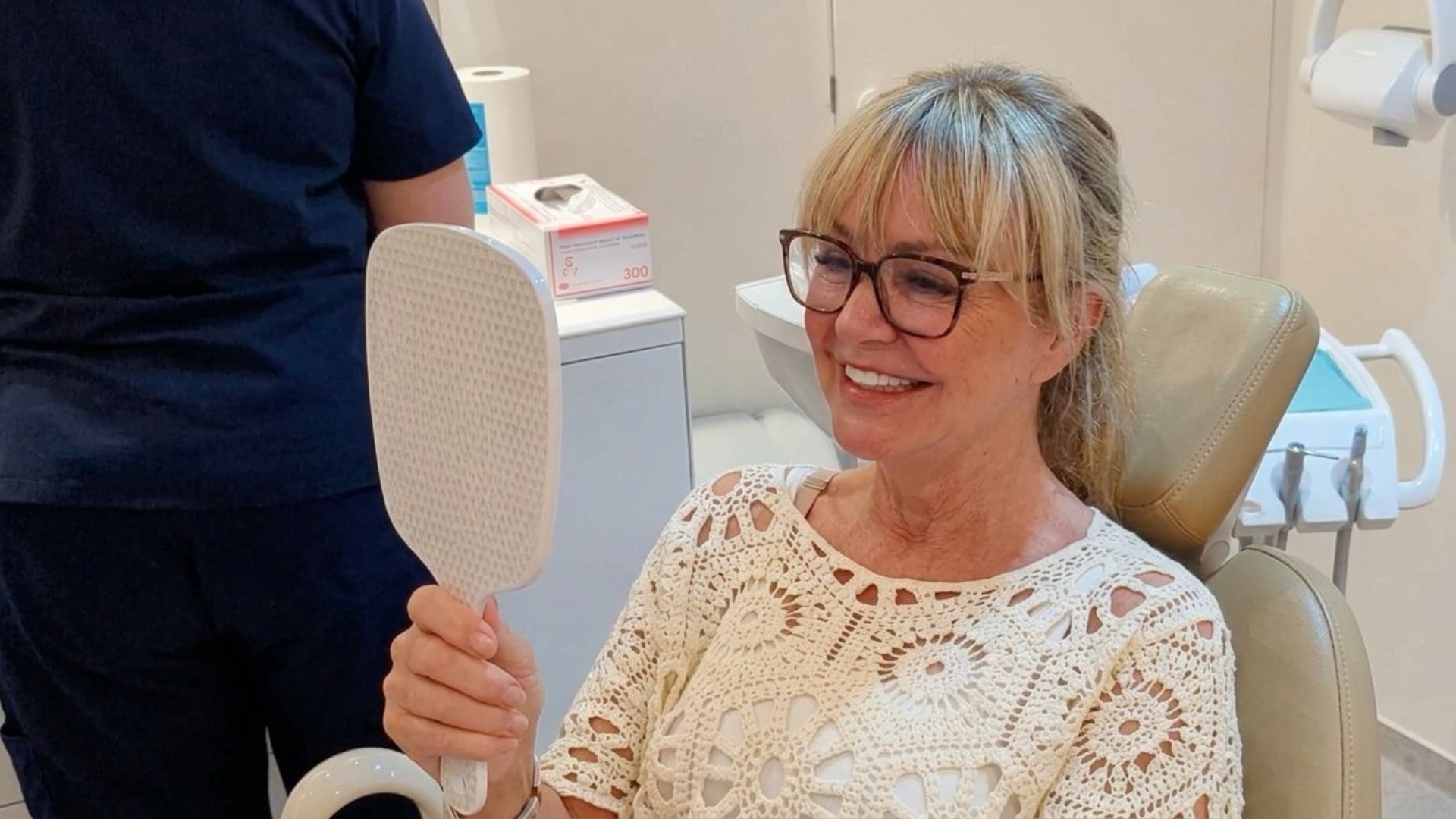
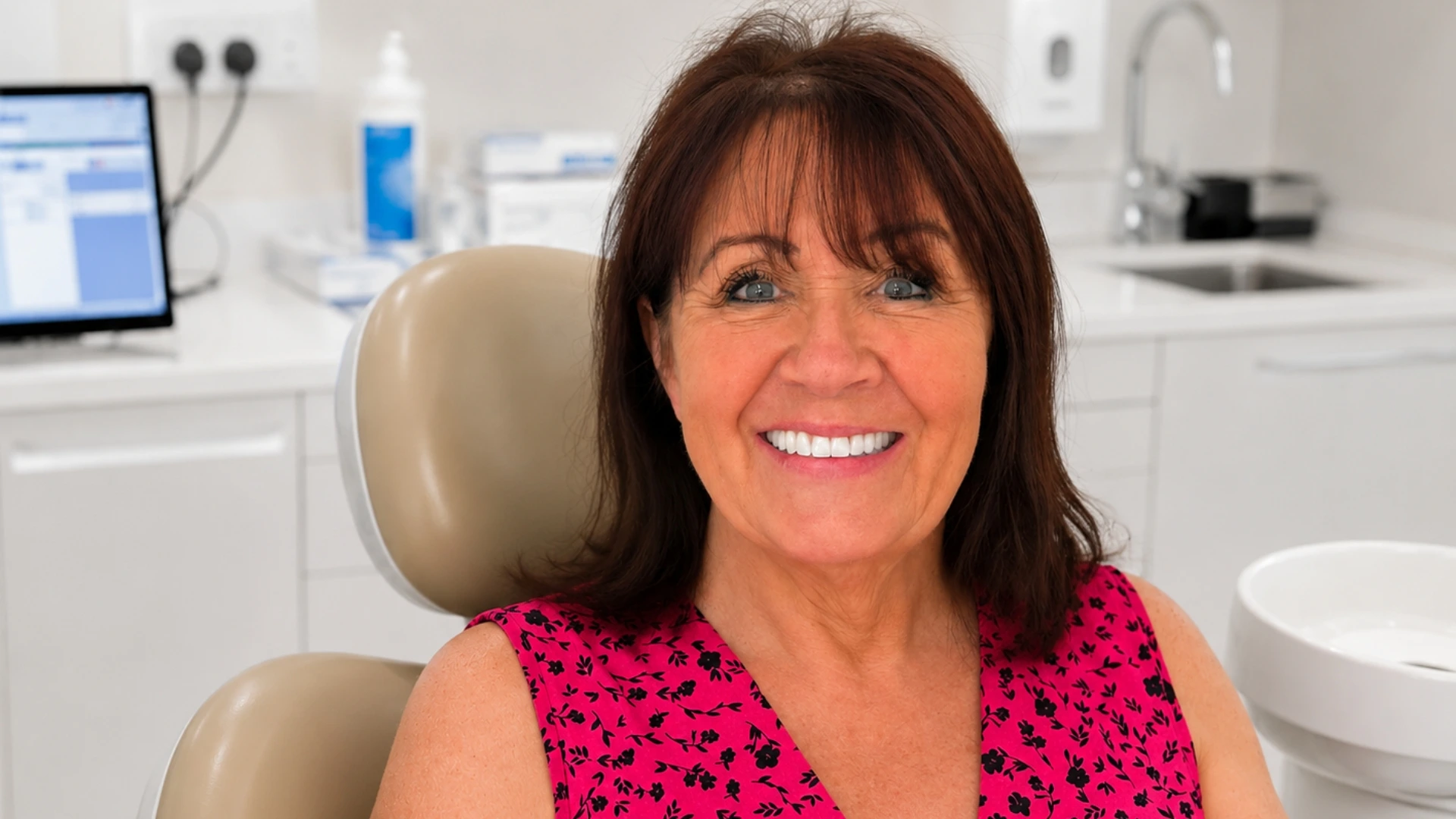
Feeling nervous about dental implant treatment is completely understandable. For some people, the worry comes from a previous bad dental experience. Others are concerned about pain, surgery, recovery or simply not knowing what to expect.
If you have been living with failing teeth, missing teeth or uncomfortable dentures but anxiety is stopping you from considering treatment, understanding the process can make it feel much more manageable.
At Implantly, we regularly meet nervous patients considering full mouth dental implants. Your journey starts with a detailed clinical assessment, where you can discuss your concerns, understand your options and find out whether treatment is suitable for you.
Why Are People Nervous About Dental Implants?
Dental anxiety can affect people for many different reasons. Common concerns include:
- Fear of pain
- Previous negative dental experiences
- Worry about surgery
- Fear of injections
- Concerns about recovery
- Feeling embarrassed about the condition of their teeth
- Worry about being judged
- Not knowing what will happen during treatment
Whatever the reason, it is important to tell the clinical team how you feel. This allows your concerns to be discussed before treatment begins.
Are Dental Implants Painful?
This is one of the most common questions patients ask.
Dental implant surgery is carried out with appropriate anaesthesia so the treatment area is numbed. Your clinical team will also explain what to expect during and after your procedure.
Some swelling, tenderness and discomfort can be expected during recovery, and the experience varies between patients. You will receive aftercare instructions to help you manage the healing period.
Many patients tell us that the experience was more manageable than they had imagined beforehand.
What If I Have a Severe Fear of the Dentist?
Having dental anxiety does not automatically mean you cannot have full mouth dental implants.
The first step is simply talking to the team. Let them know what makes you nervous and ask as many questions as you need.
For particularly nervous patients, sedation may be available where clinically appropriate. Your clinician can discuss whether this is suitable for you as part of your treatment planning.
What Happens at Your First Implantly Appointment?
Knowing what will happen before you arrive can help reduce uncertainty.
Your FREE Clinical Assessment allows the team to understand your dental health and discuss your concerns and treatment goals.
Your assessment may include:
- CBCT 3D imaging
- Digital intraoral scans
- Clinical photographs
- Assessment of your teeth, gums and bone
- Discussion about your medical and dental history
- Explanation of suitable treatment options
- Opportunity to ask questions
There is no need to arrive knowing exactly which treatment you need. The purpose of the assessment is to understand your individual situation first.
Don't Be Embarrassed About Your Teeth
Some patients delay seeing a dentist because they feel embarrassed about the condition of their teeth.
Missing, loose or failing teeth can happen for many reasons, including gum disease, previous dental problems, smoking, bone loss and long-term oral health issues.
The clinical assessment is about understanding where you are now and what options may be available, not judging how your teeth got there.
How Digital Planning Can Help
Careful planning is an important part of full mouth dental implant treatment.
At Implantly, we use digital technology including CBCT imaging and intraoral scanning to assess your mouth and plan your treatment.
Implantly uses fully guided implant surgery, allowing implant positions to be digitally planned before surgery.
For nervous patients, understanding that the treatment has been carefully planned beforehand can provide additional reassurance.
What Happens on Treatment Day?
Before treatment begins, the team will explain the planned procedure and make sure you understand what will happen.
Your treatment is then carried out according to your personalised clinical plan.
Where clinically suitable, patients undergoing full mouth implant treatment may receive fixed temporary teeth on the day of treatment, allowing the healing process to begin with a fixed smile in place.
Your clinician will explain what applies to your individual case before treatment.
What Is Recovery Like?
Recovery is different for every patient.
Swelling, tenderness and some discomfort are normal following implant surgery. These symptoms generally improve as healing progresses.
You will receive clear instructions about:
- Cleaning your mouth
- What foods to eat
- Medication where prescribed
- Activities to avoid
- Looking after your temporary teeth
- When to contact the clinic
- Follow-up appointments
Following your clinical team's instructions is an important part of successful healing.
How Can I Prepare If I'm Nervous?
There are several simple things you can do:
Tell us you're nervous.
Don't try to hide your anxiety. Knowing beforehand allows the team to support you appropriately.
Write down your questions.
It is easy to forget questions during an appointment, so bring a list with you.
Understand the process.
Ask the team to explain each stage so you know what to expect.
Discuss sedation if necessary.
If your anxiety is significant, ask whether sedation may be appropriate for you.
Take one step at a time.
Your first appointment is an assessment. You don't need to think about the entire treatment journey at once.
Questions Nervous Patients Often Ask
Can I have dental implants if I'm extremely nervous?
Potentially, yes. Dental anxiety itself does not automatically make you unsuitable. Your overall suitability needs to be assessed clinically.
Can I be sedated for dental implant treatment?
Sedation may be available for suitable patients. Your clinician can discuss the available options and whether they are appropriate for you.
Will I feel anything during implant surgery?
Appropriate anaesthesia is used to numb the treatment area. Your clinical team will explain what sensations you may experience during the procedure.
What if I've avoided the dentist for years?
You can still arrange an assessment. The first step is understanding the current condition of your teeth, gums and bone and discussing what treatment options may be available.
What if I'm embarrassed about my teeth?
There is no reason to delay an assessment because of embarrassment. Our focus is on assessing your current oral health and discussing what can be done next.
Can I ask questions before deciding?
Absolutely. Your FREE Clinical Assessment is an opportunity to understand your options and ask questions before making a treatment decision.
Take the First Step at Your Own Pace
If fear has stopped you from dealing with failing teeth, missing teeth or uncomfortable dentures, you do not have to make every decision today.
Start by finding out what is possible.
At your FREE Implantly Clinical Assessment, our team can assess your suitability for full mouth dental implants, listen to your concerns and explain the treatment process clearly.


%20(5).jpg)
%20(41).jpg)